Suspension Repair in Louisville, KY
Professional Suspension System Diagnostics and Repair Services
Understanding Your Vehicle’s Suspension System Components
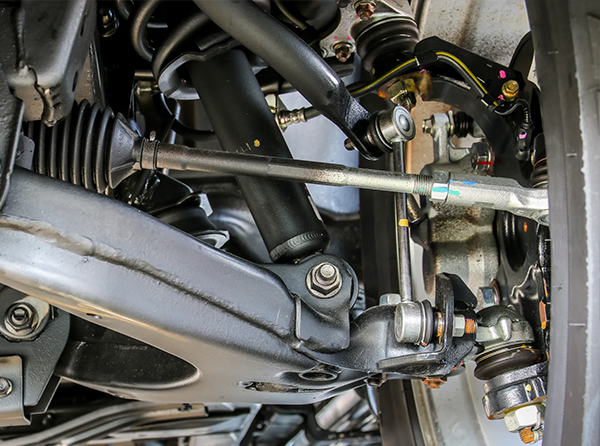
Your vehicle’s suspension system consists of multiple interconnected components that work together to provide a smooth, controlled ride while maintaining proper tire contact with the road. At Bluegrass Fleet Care & Auto Repair, our ASE-certified technicians understand how shocks, struts, control arms, ball joints, tie rods, sway bar links, bushings, and coil springs function as a unified system. When one component begins to fail, it often affects the performance of other parts. Our comprehensive suspension repair approach examines the entire system rather than just addressing individual symptoms. Our computerized diagnostic equipment helps us identify worn suspension components before they lead to more expensive repairs or safety concerns. Located at 12901 Dixie Hwy, Louisville, KY 40272, we’ve provided reliable suspension repair services to Louisville drivers who demand quality workmanship and honest recommendations.
Warning Signs That Indicate Suspension Problems
Recognizing the early warning signs of suspension issues can save you from costly repairs and potential safety hazards on Louisville’s varied road conditions. A rough or bouncy ride often indicates worn shocks or struts that can no longer effectively control your vehicle’s movement over bumps and road irregularities. If your car pulls to one side during everyday driving, this could signal problems with control arms, ball joints, or other steering components that require immediate attention. Uneven tire wear patterns frequently point to suspension alignment issues that, if left unaddressed, will result in premature tire replacement costs. Knocking or clunking noises when driving over bumps typically indicate worn bushings, ball joints, or sway bar links that need replacement. Nose diving during braking and excessive body roll when turning indicate that your suspension system requires professional evaluation and repair to maintain safe vehicle handling.
Comprehensive Suspension Repair Process and Related Services
Our suspension repair process begins with a thorough front-end inspection using state-of-the-art diagnostic equipment to identify all affected components and determine the most cost-effective repair approach. We provide detailed digital inspection reports explaining which parts need immediate attention and which components should be monitored for future replacement. Our suspension repair services naturally integrate with wheel alignment, tire balancing and rotation, and steering system inspection to ensure your vehicle handling system operates optimally. Whether you need strut replacement, shock absorber repair, control arm replacement, or coil spring replacement, our technicians use quality OEM or equivalent parts backed by comprehensive warranties. You can reach us at (502) 916-4634 during our regular business hours Mon – Fri: 8AM – 5PM to request your suspension system evaluation. We’ll provide transparent pricing and clear explanations of all recommended repairs before beginning any work.